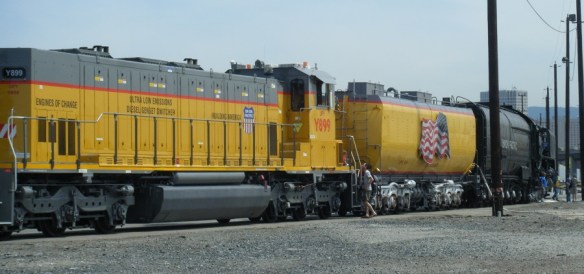
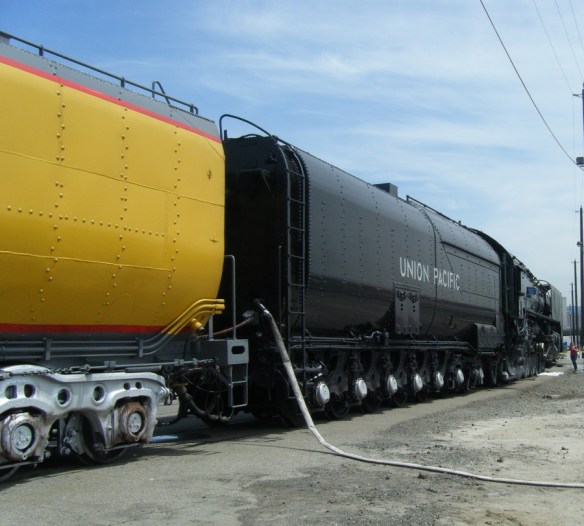
Now all the model errors have been sorted out and I have a successful test print of the UP’s rebuilt water tenders it was time to paint and decal them in order to finish the model.
For this I handed the model over to Bob Norris who also painted the DD35 models. He first washed all the parts again in warm soapy water to remove any oils that may have built up on the surfaces due to people handling the model. Once dry, he glued on the headlights and tool boxes; these can be glued on at later stage but as they are going to be the same color as the top of the body it makes sense to do it now.
Once all the glue had dried, the main body, chassis and ladders where sprayed with Humbrol’s Acrylic Sea Grey from a can. As well as being a good primer this is also a great match for UP’s Harbor Mist Gray.
Next comes the yellow on the main body and Bob brush-painted this using Badger’s UP Armor Yellow. This paint is very thin and three coats were required to cover the primer with an even color. For the forth and final coat Bob added a drop of PollyScale’s Signal Red into the UP Armor Yellow, this darkened the yellow to make it a perfect match to the yellow of the Kato City Of Los Angeles passenger cars.
Once the paint had dried he sprayed the whole body with Testors Glosscote; this sealed the paint and gave a nice finish. The red lining between the gray and yellow is a red strip decal. The other decals came from Circus City Decals & Graphics who provide a set especially for this model and can be found here. Once the decals had been applied and set, the ladders were glued on. The final stage was to spray the body with Testors Dullcote which removes any areas of the decals that show up shiny against the body and forms a coating to protect them.
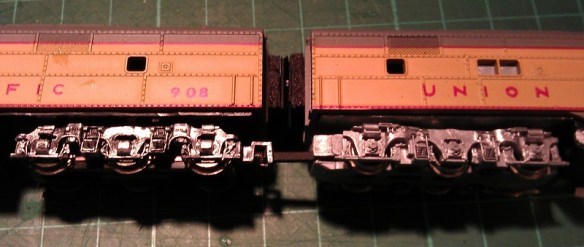
Bob then painted the trucks with Humbrol’s Silver. He also used a dab of this to paint the light lenses in the headlights, after which he put a drop of CA glue over the silver paint to form the actual lenses.
And here is the result
 Several others who have purchased the kits have also sent me some pictures of the finished models and work-in-progress.
Here are Jim Reising’s UP water tenders.

Jim used spare handrails from a Kato Dash 9 diesel locomotive to replicate the grab rails on top.
Brian Stewart also sent some work-in-progress shots of his water tenders.
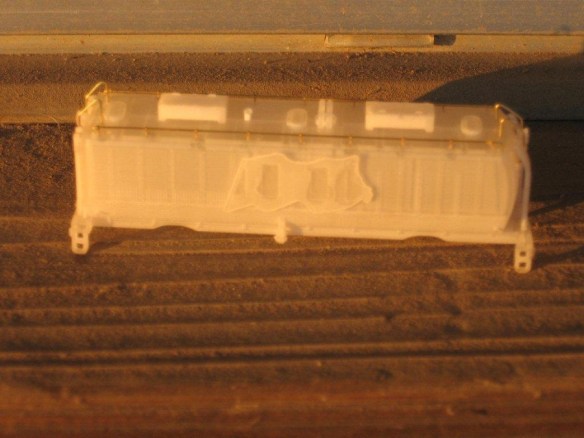
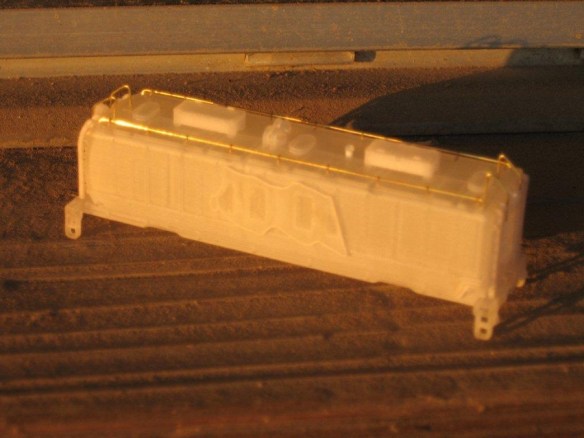
Brian used brass wire to make his grab rails.
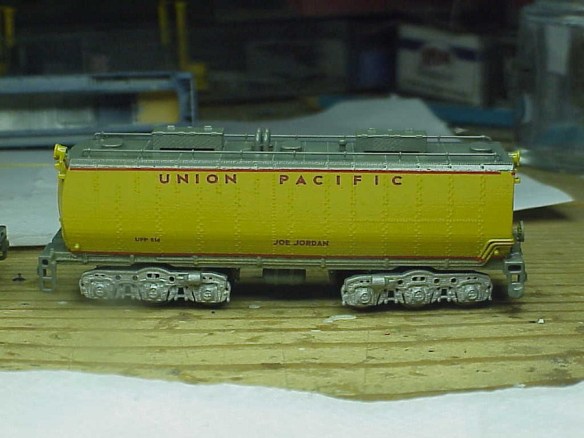
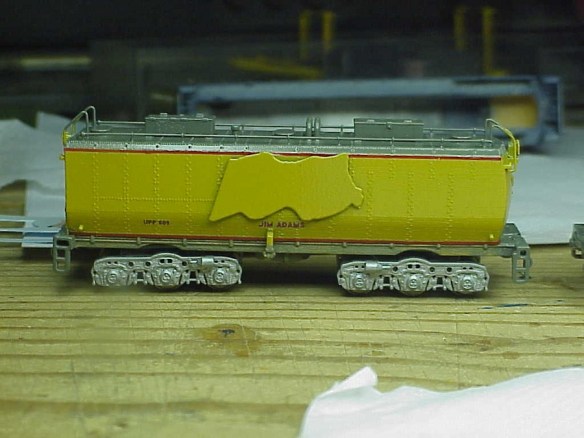
 Mark Peterson, who was also the inspiration for this project after suggesting someone make these water tenders available, used Evergreen .020″ styrene rod for his grab rails.
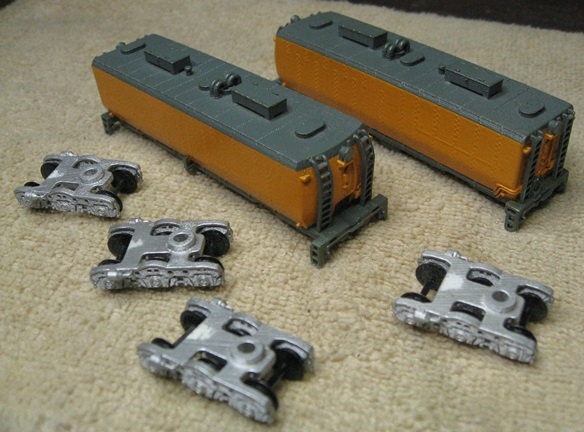
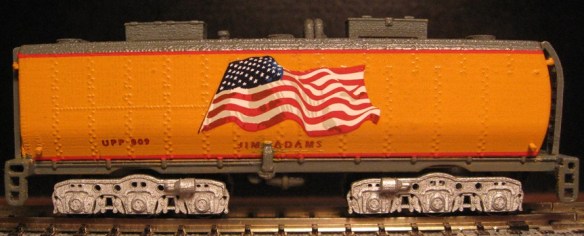


Mark also has a video of his excursion train, complete with water tenders roiling through Hope, MN.
You can read more about Marks layout, ‘A Season In Hope’ and his adventures with the water tenders on his website here.
Mark’s original request however was for the UP water tenders as they appeared before they where rebuilt in 2007, so here is a sneak preview of what is coming next.

The test print for this car is in the post as I type and I’ll share with you what it looks like in a future post.
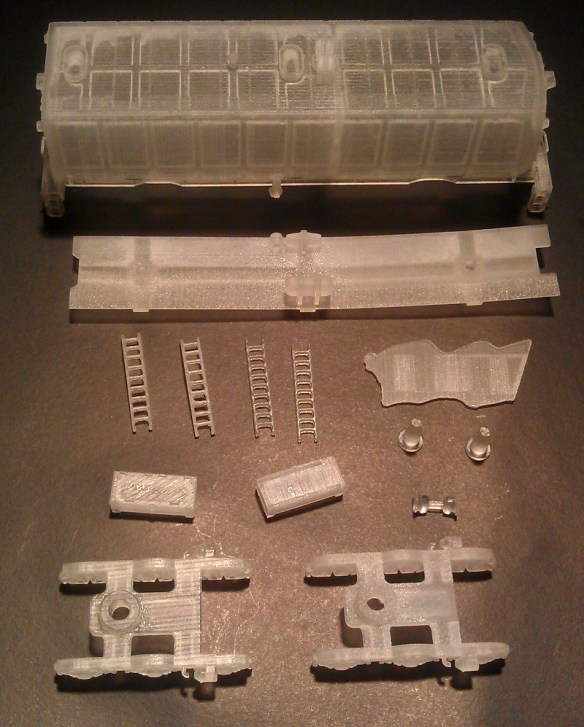 The water removed a lot of the residue but it would still need to be soaked in Goo Gone for 24 hours to totally eradicate it. At this stage the detailed parts start to become easier to see as well as the few areas which had not printed correctly. For example, on the trucks at the bottom of the photo you can see the air cylinders and the pipes running back into the trucks; there is a gap between them that should not be there. Looking back at the 3D model it became apparent there was an error which did not show up easily. This was fixed before releasing the model. There were also some other minor issues with the piping, once again all traced back to the 3D model; these were also fixed. One of the most noticeable things in this photo is the chassis which has a bow in it. This chassis is very thin to help keep the cost of printing the model down, however is not a concern as this particular model is designed so the strength comes from the main body, which is very strong due to the multi-curved surfaces. The chassis straightens out when put into place. Once the model is cleaned, painted and the trucks have been attached, the chassis is designed to be glued in place making a very strong, complete body. For reference, should you receive a chassis, or any other part, that is bowed more than is shown in this picture, it can be easily be corrected using hot water as described n this previous
















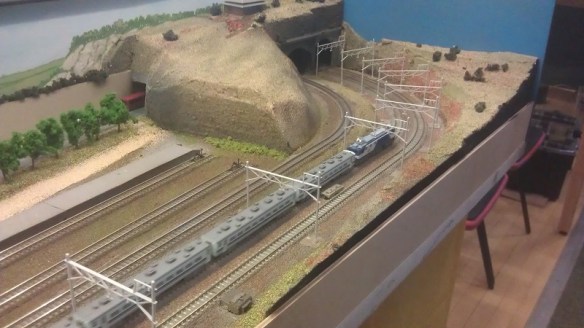
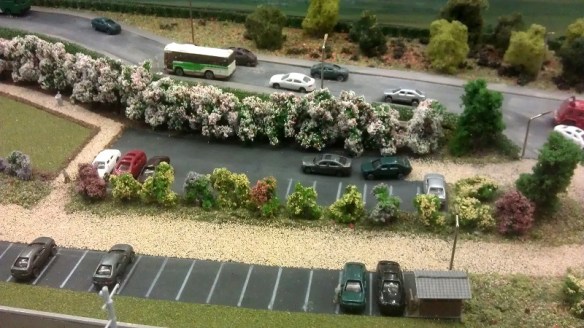

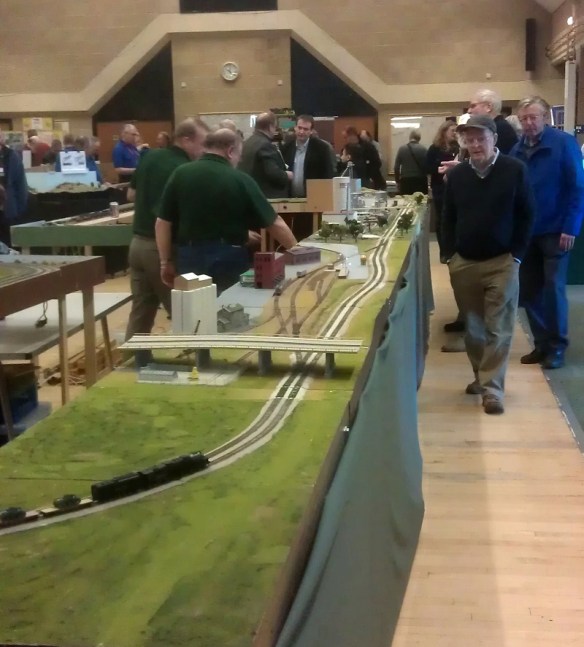


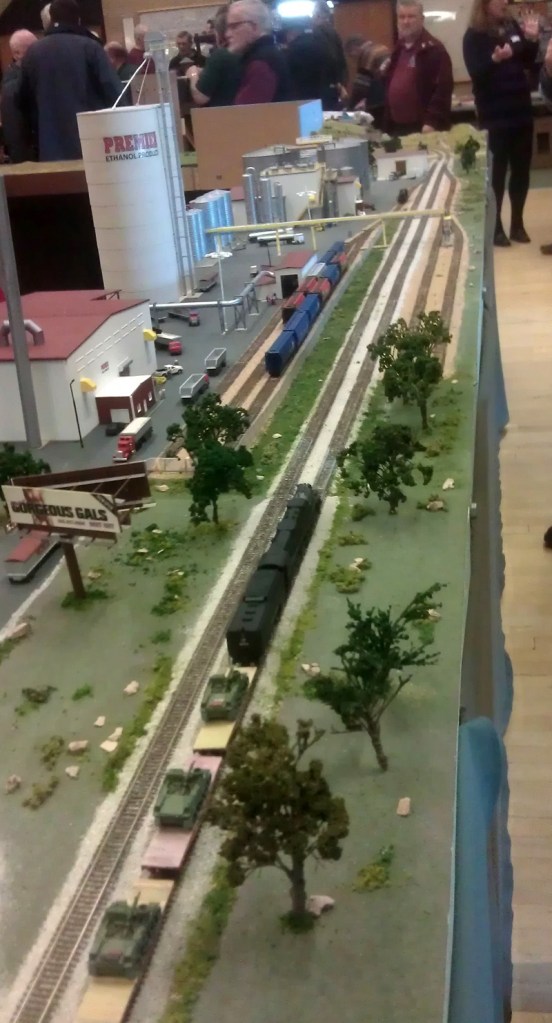
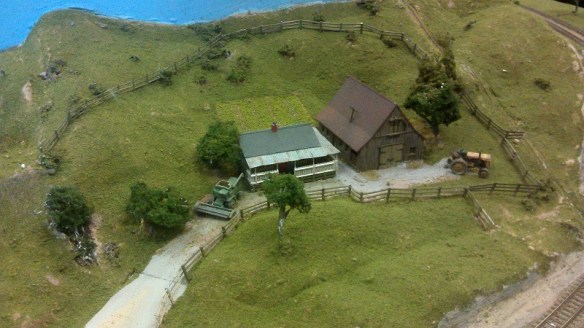








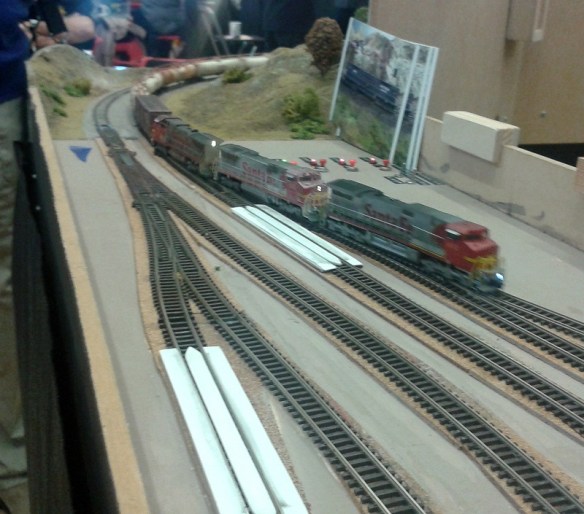
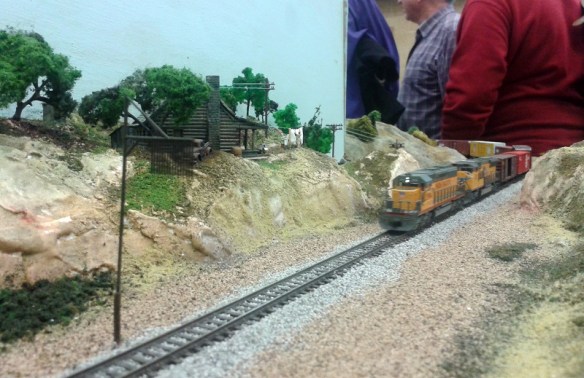


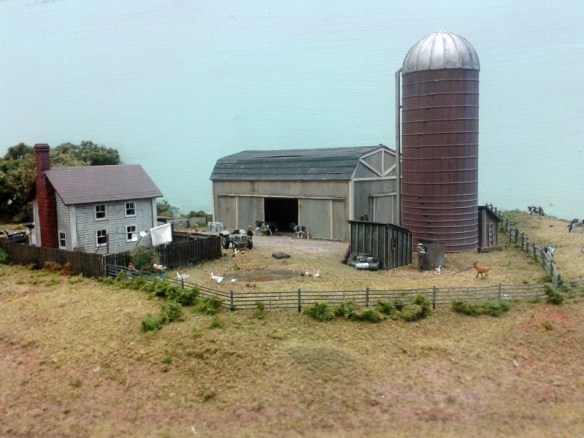

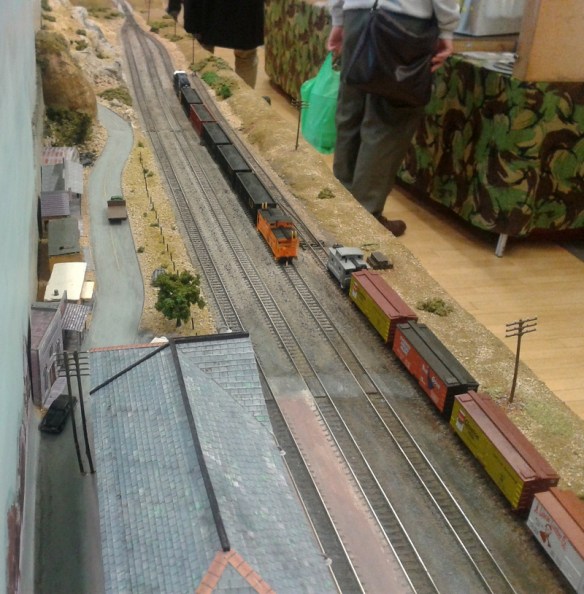


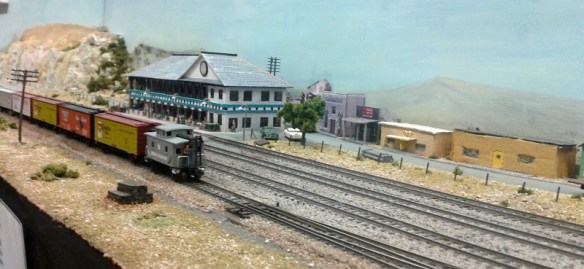


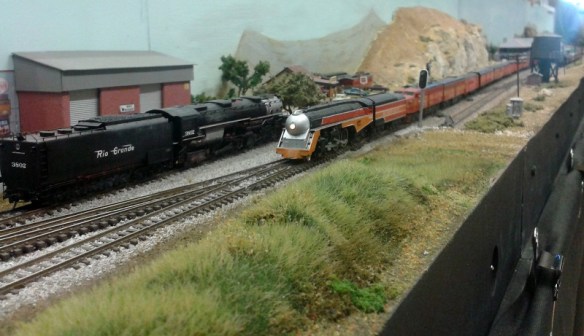
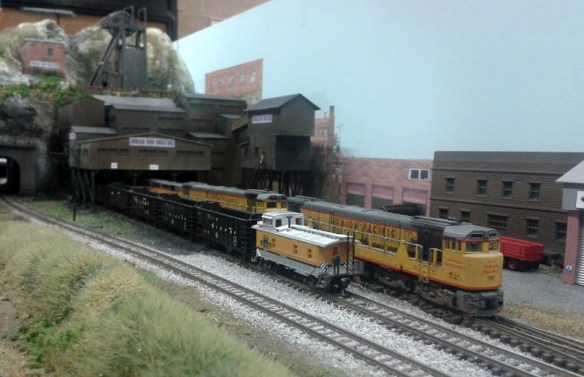
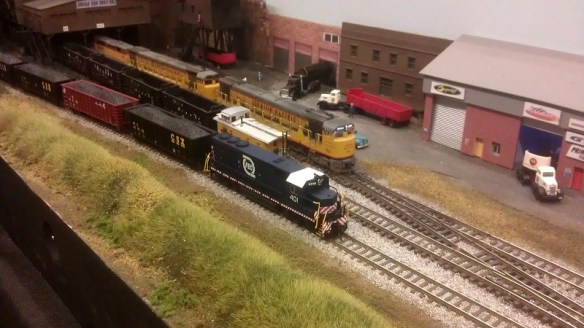
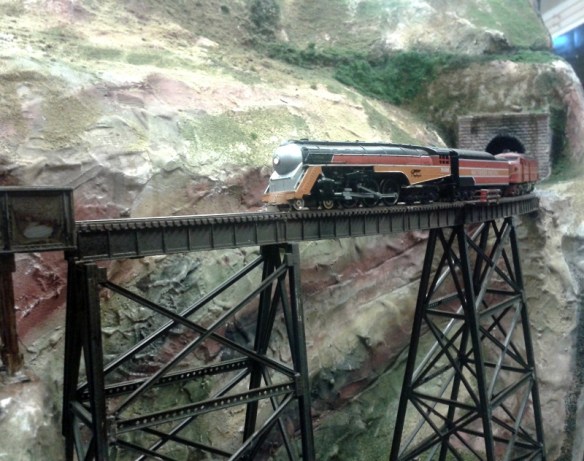


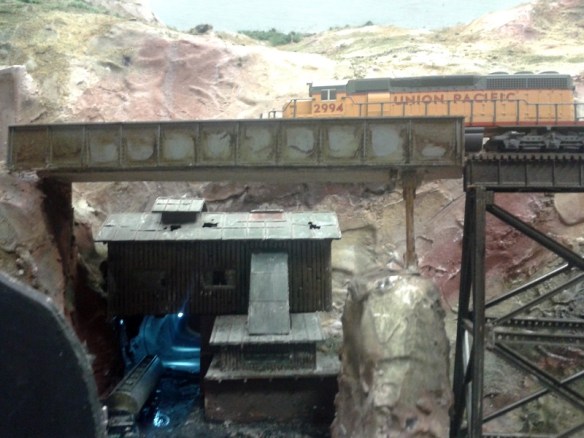

 Leaving the power station the line rounds the bend and returns to the yard.
 James' Train Parts
You must be logged in to post a comment.